
Corporate Immigration Compliance
Uganda Work Permit Sponsorship
The definitive guide for employers on navigating Uganda work permit sponsorship, host company legal obligations, corporate compliance frameworks, and the liabilities of hiring foreign nationals.
The Sponsorship Framework
What Is Uganda Work Permit Sponsorship?
Uganda Work Permit Sponsorship is the legal and administrative framework where a registered host company assumes the role of a corporate sponsor for a foreign national seeking an employment permit. This is not a mere formality; it is a binding legal relationship established under the Uganda Citizenship and Immigration Control Act, placing significant host company legal obligations on the employer. The sponsor is directly responsible for the foreign worker's conduct, compliance with immigration laws, and eventual repatriation. This system is the foundation of the employer sponsored visa Uganda process.
The sponsor company acts as a guarantor to the Directorate of Citizenship and Immigration Control (DCIC), confirming that the foreign national is genuinely employed and that their presence in Uganda serves a specific business purpose. The application for an employer sponsored visa Uganda can only be initiated by a duly registered and compliant local entity. According to the DCIC’s official work permit services, the primary requirement for any work permit application is a sponsoring entity.
The success of any application hinges on the credibility of the sponsor. This is why the Directorate of Citizenship and Immigration Control conducts rigorous background checks on the sponsoring company to ensure it meets all operational and financial benchmarks.
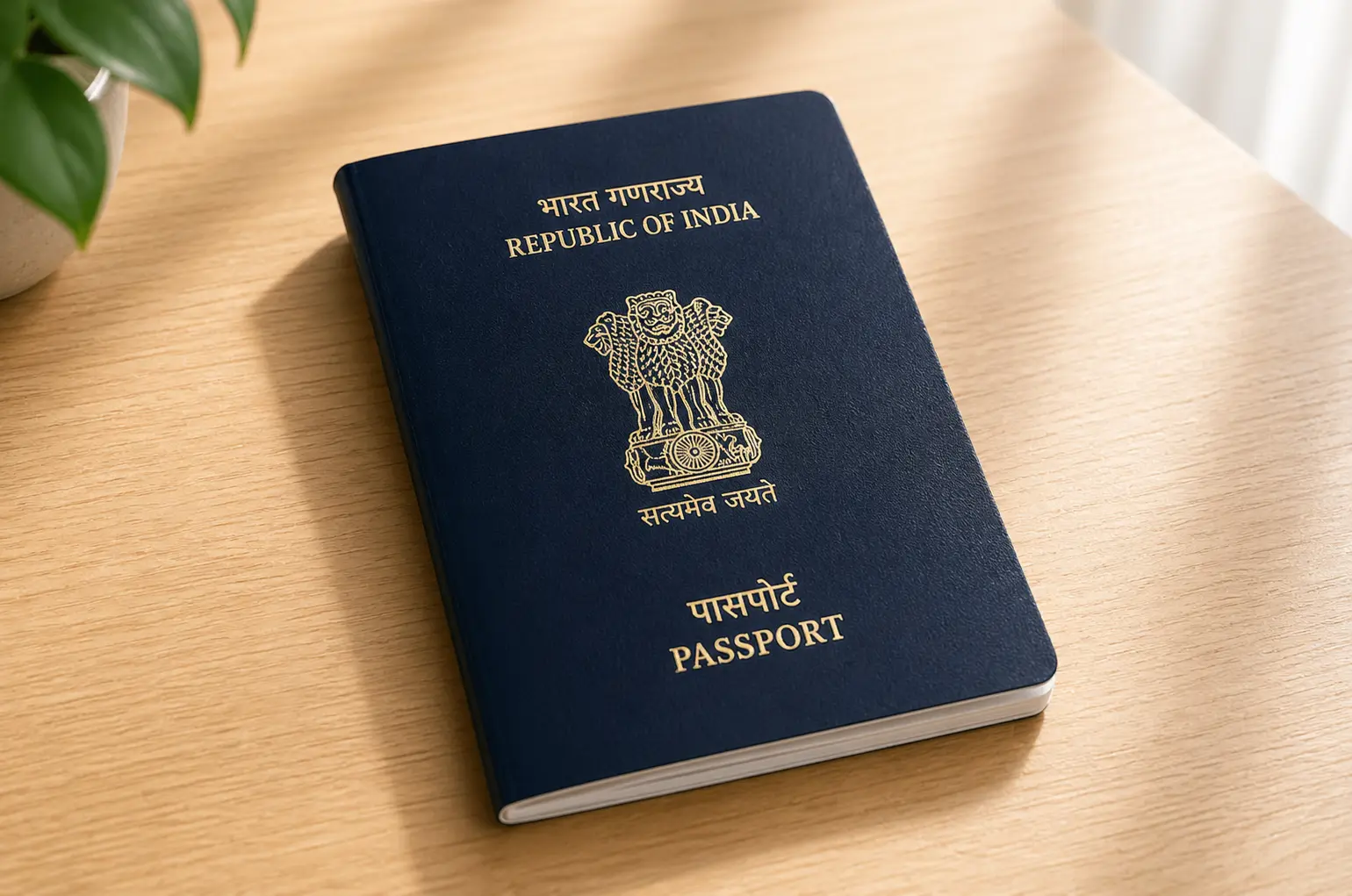
A key distinction in Uganda's immigration law is the separation of responsibilities. The sponsor (employer) is the legal entity that applies on behalf of the foreign national. The sponsored worker is the beneficiary. The sponsor bears the legal burden of ensuring compliance. The work permit is typically "employer-tied," meaning the employee cannot change jobs without a new sponsorship application. This reinforces the host company legal obligations and creates a clear framework for accountability.
Sponsoring a foreign worker goes beyond filing an application. It encompasses a duty of care that includes ensuring fair employment terms, tax compliance, and the worker's welfare. The sponsor is also responsible for notifying the DCIC of any material changes in the employment relationship, such as termination or a change of job role. This proactive compliance is the cornerstone of a successful Uganda Work Permit Sponsorship strategy.
Compliance Structure
The Corporate Compliance Sponsorship Framework
For a company to sponsor a foreign national, it must operate within a robust corporate compliance sponsorship framework. This requires the organization to have a transparent and auditable immigration governance structure that aligns with the requirements of the DCIC.
Legal & Corporate Registration
The sponsoring company must be a legally recognized entity in Uganda. This is validated through a certificate of incorporation from the Uganda Registration Services Bureau (URSB). The company must also be fully compliant with local tax laws, evidenced by a valid Tax Identification Number (TIN) from the Uganda Revenue Authority (URA).
Immigration & Labor Governance
This involves implementing internal policies to manage the sponsorship lifecycle. Companies must keep detailed records of all sponsored employees, file annual returns for East African Community (EAC) workers, and ensure all work permits are valid and up-to-date. This is a core part of corporate compliance sponsorship.
Financial Guarantee & Deposit
A key part of the sponsorship framework is the financial guarantee. The sponsor is typically required to pay a refundable security deposit to the DCIC, which serves as a bond to ensure the repatriation of the worker. This financial commitment is a significant aspect of the hiring entity legal liabilities.
Reporting & Audit Readiness
Sponsoring companies must be audit-ready. The DCIC can request compliance checks at any time. This necessitates having a clear trail of documentation, including employment contracts, payslips, and proof of tax remittances. The ILO Uganda guidelines on fair recruitment also inform these auditing practices.
Key Elements of a Sponsorship Compliance System
A single source of truth for all work permits and immigration documents.
Proactive notifications for permit expiry and renewal deadlines.
Regular review by legal counsel or an immigration consultant.
Educating HR teams on their responsibilities under the sponsorship framework.
Employer Duties
Host Company Legal Responsibilities
The list of host company legal obligations is extensive and covers everything from the initial job offer to the employee's departure. These are not optional best practices; they are statutory requirements enforced by the DCIC and other government bodies.
- 1. Tax & Social Security Compliance: The sponsor is responsible for registering the foreign employee for tax with the URA, ensuring Pay As You Earn (PAYE) is deducted, and remitting NSSF (National Social Security Fund) contributions.
- 2. Statutory Reporting to DCIC: Sponsors must report the commencement of employment, any changes in the employee's status, and the termination of employment to the DCIC within 14 days, as per Ministry of Internal Affairs directives.
- 3. Employment Contract Legality: The contract of employment must meet the standards set by Uganda's labour laws, detailing the job role, salary, leave, and termination conditions. It must be signed by both parties.
- 4. Supervision & Welfare: The sponsor has a duty to provide a safe working environment and ensure the foreign worker is not exploited, which aligns with the ILO Uganda principles on fair and ethical employment.
Failure to meet any of these host company legal obligations can result in the immediate cancellation of the work permit and significant penalties for the company. For a detailed review of your responsibilities, consider a Uganda work permit compliance audit.
Summary of Employer Duties
- ✓ Application: Initiate the work permit application and pay all associated fees.
- ✓ Financial Bond: Provide the required refundable security deposit.
- ✓ Compliance: Ensure the employee and company are compliant with all immigration and labor laws.
- ✓ Renewal: Manage the permit renewal process proactively.
- ✓ Repatriation: Guarantee the worker's departure if the permit expires or employment ends.
The Vetting Process
Local Company Visa Sponsor Verification
Before any employer sponsored visa Uganda application can be approved, the DCIC must certify the sponsoring entity. This process confirms that the company is a legitimate local company visa sponsor capable of fulfilling its legal duties.
How Companies Are Verified
- ✔ Business Registration: Cross-checking the certificate of incorporation with URSB.
- ✔ Tax Compliance: Verifying tax clearance with the URA.
- ✔ Operational Viability: Reviewing the company's financial statements to ensure it can sustain the foreign worker's employment.
- ✔ Physical Verification: In some cases, a physical inspection of the company premises may be conducted to confirm its operational status.
- ✔ Industry-Specific Checks: For certain sectors, additional verification may be required from the relevant regulatory body (e.g., Uganda Investment Authority for investors, NGO Bureau for non-profits).
Corporate Sponsor Verification Checklist
Employers can prepare for DCIC scrutiny by ensuring they have the following:
- ✔ A valid Certificate of Incorporation.
- ✔ A valid Tax Identification Number (TIN).
- ✔ Proof of business premises (e.g., lease agreement or title deed).
- ✔ Evidence of operational activities (e.g., business licenses, recent invoices).
- ✔ A clear organizational structure.
- ✔ A history of compliance with labor and tax laws.
This is the corporate sponsor verification checklist used by the DCIC to vet all sponsors. For assistance, consult Dortmund Solutions' immigration consultants.
Security & Risk
Host Firm Security Clearance System
Beyond basic verification, the DCIC operates a host firm security clearance system. This involves a deeper risk assessment of the sponsoring company to protect national interests and prevent immigration fraud.
Understanding the Security Clearance Process
The security clearance is a multi-layered process. It involves the DCIC working with other security agencies to vet the sponsor. The process assesses the company's background, its directors, and the nature of its business. This is a critical component of corporate compliance sponsorship, as it helps the government mitigate risks associated with foreign nationals.
What the System Evaluates
- ✔ The company's financial health and track record.
- ✔ The integrity of the company's directors and senior management.
- ✔ The company's compliance history with immigration and labor laws.
- ✔ The business's potential impact on national security.
- ✔ Any prior history of immigration abuse or fraud.
Immigration Risk Classification
- ✔ Low Risk: Established multinationals and government bodies with a perfect compliance record.
- ✔ Medium Risk: Small and medium-sized enterprises (SMEs) with some history of compliance.
- ✔ High Risk: New companies or those with a history of non-compliance or legal issues.
Companies classified as high risk may face stricter scrutiny and even denial of sponsorship applications.
Fraud Prevention Systems
The host firm security clearance process is also a key part of Uganda's immigration fraud prevention system. By thoroughly vetting sponsors, the DCIC aims to prevent the exploitation of the work permit system for purposes of human trafficking, illegal labor, or security threats. This is closely linked to the DCIC’s mandate to protect national security and public order.
Risks & Penalties
Hiring Entity Legal Liabilities & Non-Compliance Risks
The hiring entity legal liabilities associated with Uganda Work Permit Sponsorship are significant. Non-compliance is not just an administrative error; it is a serious legal violation that can have devastating consequences for a business.
Employer Penalties
- • Financial Penalties: Fines can reach up to millions of Ugandan shillings for employing an unpermitted worker or failing to meet reporting obligations.
- • Work Permit Cancellation: The DCIC has the authority to cancel the work permits of all foreign employees sponsored by a non-compliant company.
- • Business Sanctions: The company may be barred from hiring any foreign workers for a specified period, severely impacting operational capacity.
- • Operational Disruption: The sudden loss of key foreign staff due to permit cancellations can bring business operations to a halt.
Blacklisting and Reputational Damage
- • Company Blacklisting: A company found to be in serious violation of immigration laws can be blacklisted by the DCIC, making future visa applications nearly impossible.
- • Reputational Harm: Being associated with immigration fraud or non-compliance can severely damage a company's reputation with clients, investors, and partners.
- • Personal Liability: In some cases, directors and senior managers can be held personally liable for immigration violations committed by their company.
- • Legal Costs: Defending against immigration-related lawsuits and penalties can be financially crippling.
Mitigate Your Risk
Proactive compliance is the only way to safeguard your business from these severe liabilities. Engage professional Uganda work permit consultants to ensure your sponsorship framework is robust and fully compliant.
The Sponsorship Lifecycle
High-Level Sponsorship Flow
The sponsorship journey is a structured process that begins with an employer's decision to hire a foreign national and ends with the worker's departure or the permit's renewal. This high-level flow outlines the key stages without diving into granular application details.
Initiation
The employer decides to sponsor a foreign national, offers a formal employment contract, and initiates the application process through the DCIC e-services portal.
Validation
The DCIC and associated government bodies (e.g., UIA, NGO Bureau) conduct their checks on the sponsor and the applicant, verifying all documentation and ensuring compliance.
Decision & Governance
Upon approval, the work permit is issued. The sponsorship then enters a governance phase, where the employer must maintain ongoing compliance through reporting, renewals, and statutory remittances.
This flow is a critical framework for Uganda Work Permit Sponsorship. A clear understanding of these stages helps employers build a sustainable and compliant immigration strategy. For a more detailed breakdown of the process, refer to the DCIC Work Permit Service page.
Sponsorship Models
Sponsor of Record vs. Employer of Record
Understanding the distinction between a Sponsor of Record (SoR) and an Employer of Record (EOR) is crucial for international companies. Both models fulfill the host company legal obligations for Uganda Work Permit Sponsorship, but they operate differently.
Sponsor of Record (SoR)
An SoR is a local entity that sponsors the work permit on behalf of a foreign national, but the foreign national is still employed by the overseas company. The SoR takes on the legal responsibility for the worker's compliance with immigration laws but may not handle payroll or other HR functions. This model is common for short-term assignments or when a company doesn't want a local employment contract.
- ✔ Handles work permit application and compliance.
- ✔ Does not manage payroll or local benefits.
- ✔ Sponsored worker remains an employee of the foreign entity.
Learn more about hiring foreign workers in Uganda.
Employer of Record (EOR)
An EOR becomes the legal employer of the foreign national in Uganda. This means the EOR handles the entire employment lifecycle, including work permit sponsorship, payroll, tax withholding, NSSF contributions, and HR compliance. This is the most comprehensive solution for companies without a local entity.
- ✔ Full work permit sponsorship and compliance.
- ✔ Manages payroll, taxes, and statutory contributions.
- ✔ Employee is legally employed by the EOR in Uganda.
Explore Uganda work permit consultant services for EOR solutions.
Key Insight: Whether you choose an SoR or EOR, both models shift the burden of hiring entity legal liabilities to a local, compliant partner. This is a critical strategy for multinational companies operating in Uganda.
Employer Justification
Labour Market Test & Justification for Sponsorship
A critical component of Uganda Work Permit Sponsorship is the labour market test. The sponsor must justify to the DCIC why a Ugandan national cannot be hired for the role. This is a key part of corporate compliance sponsorship and is often a sticking point for many applications.
Documentation for Labour Market Test
- ✔ Job advertisements in local newspapers and online portals.
- ✔ Proof of the advertisement duration (minimum 2 weeks).
- ✔ List of all applicants and their qualifications.
- ✔ Interview notes and selection criteria.
- ✔ A detailed justification for why the foreign candidate was selected.
This corporate sponsor verification checklist item is non-negotiable for most applications.
Exemptions
- ✔ Positions requiring specialized skills not available in Uganda.
- ✔ Intra-company transfers (executives and managers).
- ✔ Investors with significant capital investment (Class A permits).
- ✔ Diplomatic and NGO positions with special agreements.
- ✔ Short-term assignments (under 90 days) via a Special Pass.
Compliance Best Practices
- Start the recruitment process at least 2-3 months before the intended start date.
- Keep detailed records of all recruitment efforts for audit purposes.
- Use multiple channels to advertise the position.
- Document the reasons for selecting the foreign candidate transparently.
Investor Sponsorship
The UIA's Role in Investor Sponsorship
For foreign investors, the Uganda Investment Authority (UIA) is a pivotal partner in the sponsorship process. The UIA certifies qualifying investments and provides the necessary recommendation for an employer sponsored visa Uganda under the Investor (Class A) category.
Key UIA Requirements
- ✔ Minimum investment capital of $250,000 (or $100,000 for specific sectors).
- ✔ A viable business plan and proof of funds.
- ✔ Certificate of registration from UIA.
- ✔ Evidence of job creation for Ugandan nationals.
The UIA's endorsement is a powerful signal to the DCIC that the sponsor is a credible and valuable contributor to Uganda's economy. This is a unique aspect of corporate compliance sponsorship for investors.
For more information on investment-related permits, see our guide on the Uganda Investor Visa.

Frequently Asked Questions
Sponsorship FAQ for Employers
Expert answers to the most common questions about Uganda Work Permit Sponsorship and host company legal obligations.
Need Expert Guidance?
Build a Compliant Sponsorship Framework
Navigating the complexities of Uganda Work Permit Sponsorship requires a deep understanding of corporate compliance and legal liabilities. Our team of immigration consultants can help you build a robust system that protects your business and meets all statutory requirements.
Disclaimer: This content is for informational purposes only and does not constitute legal advice. Immigration laws and fee structures are subject to change. Always consult official government sources or a qualified immigration professional for current and personalized guidance.